



Cuesta algo más diluirla. Magnífico color y texturas
Calidad extraordinaria. Muy recomendable. Gracias
Estoy encantado con esta tinta, maravilloso. Gracias
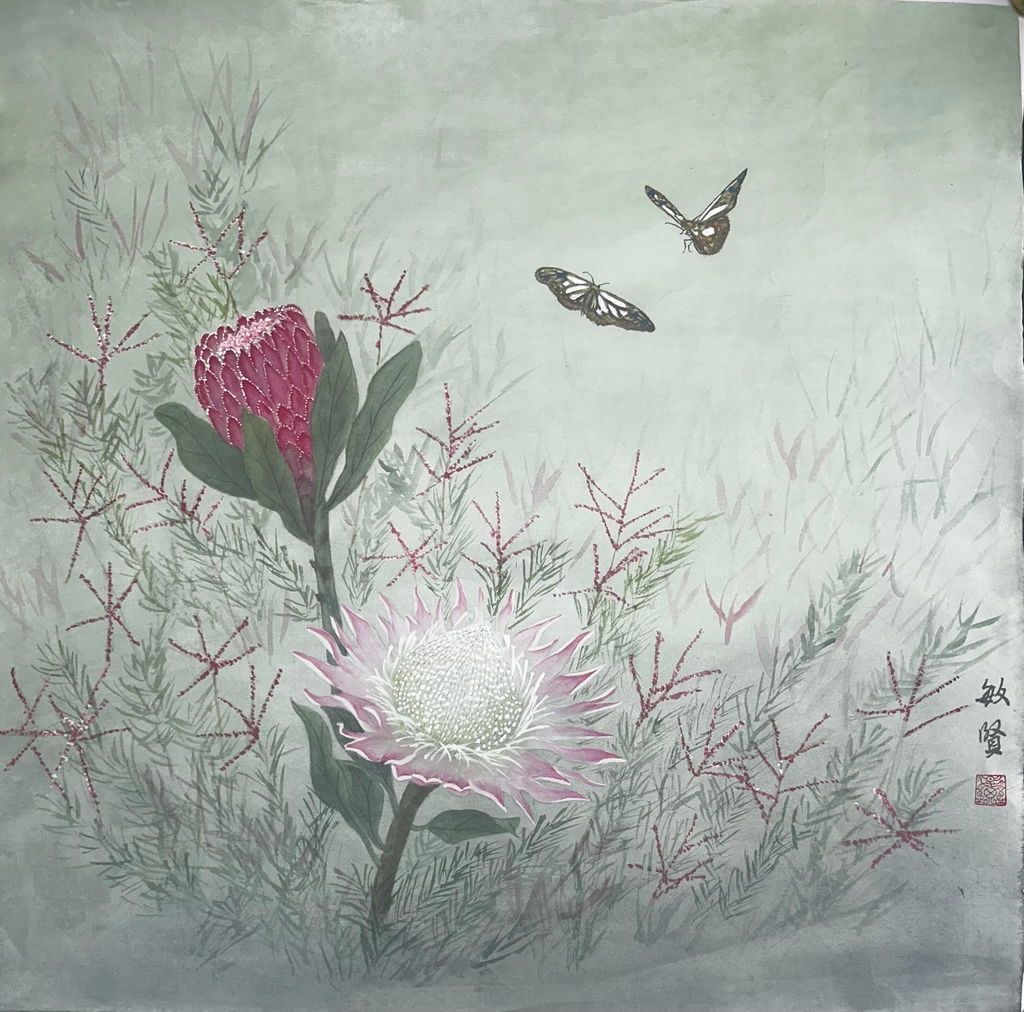
The paper is good for drawing colourful flower, which can show the petal lively
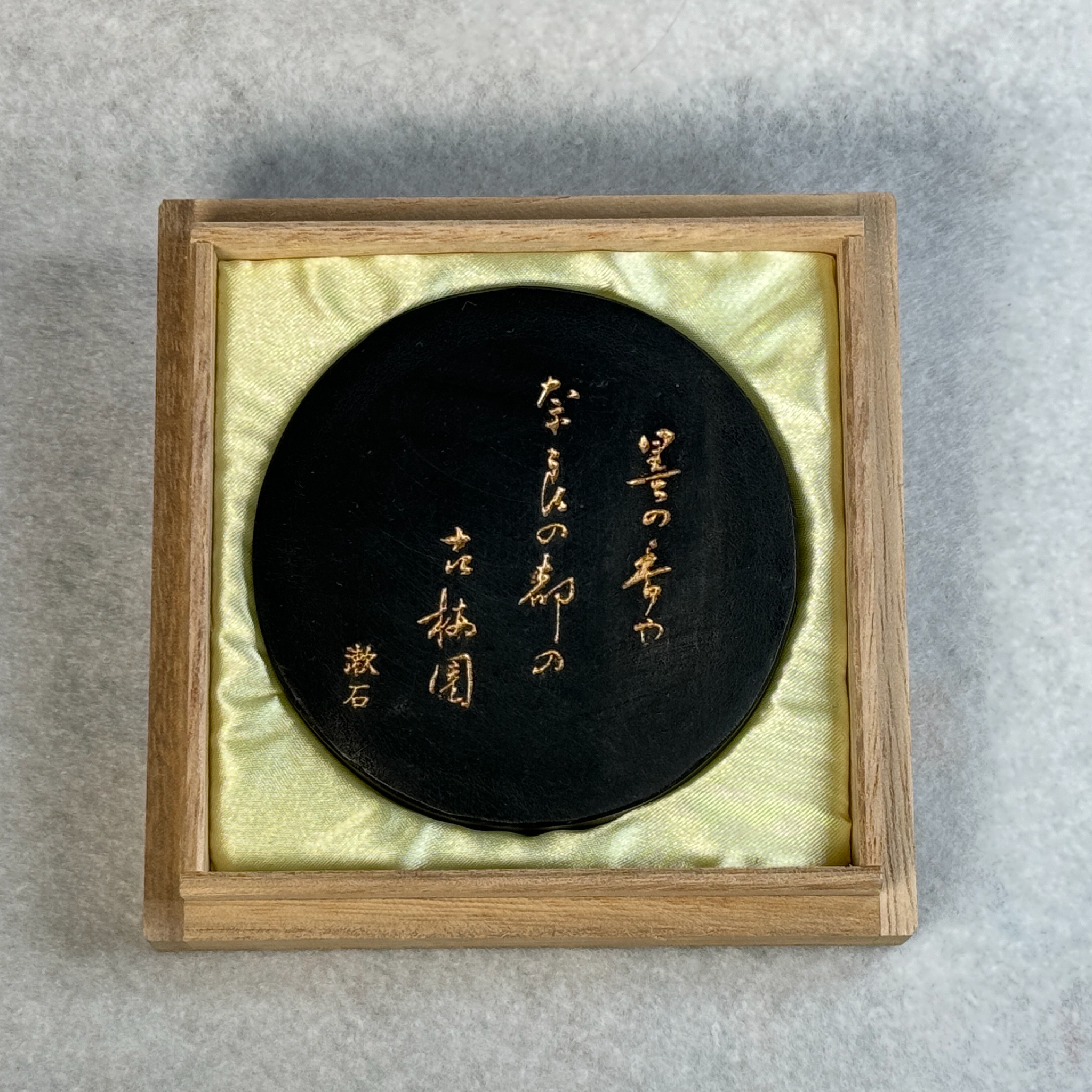
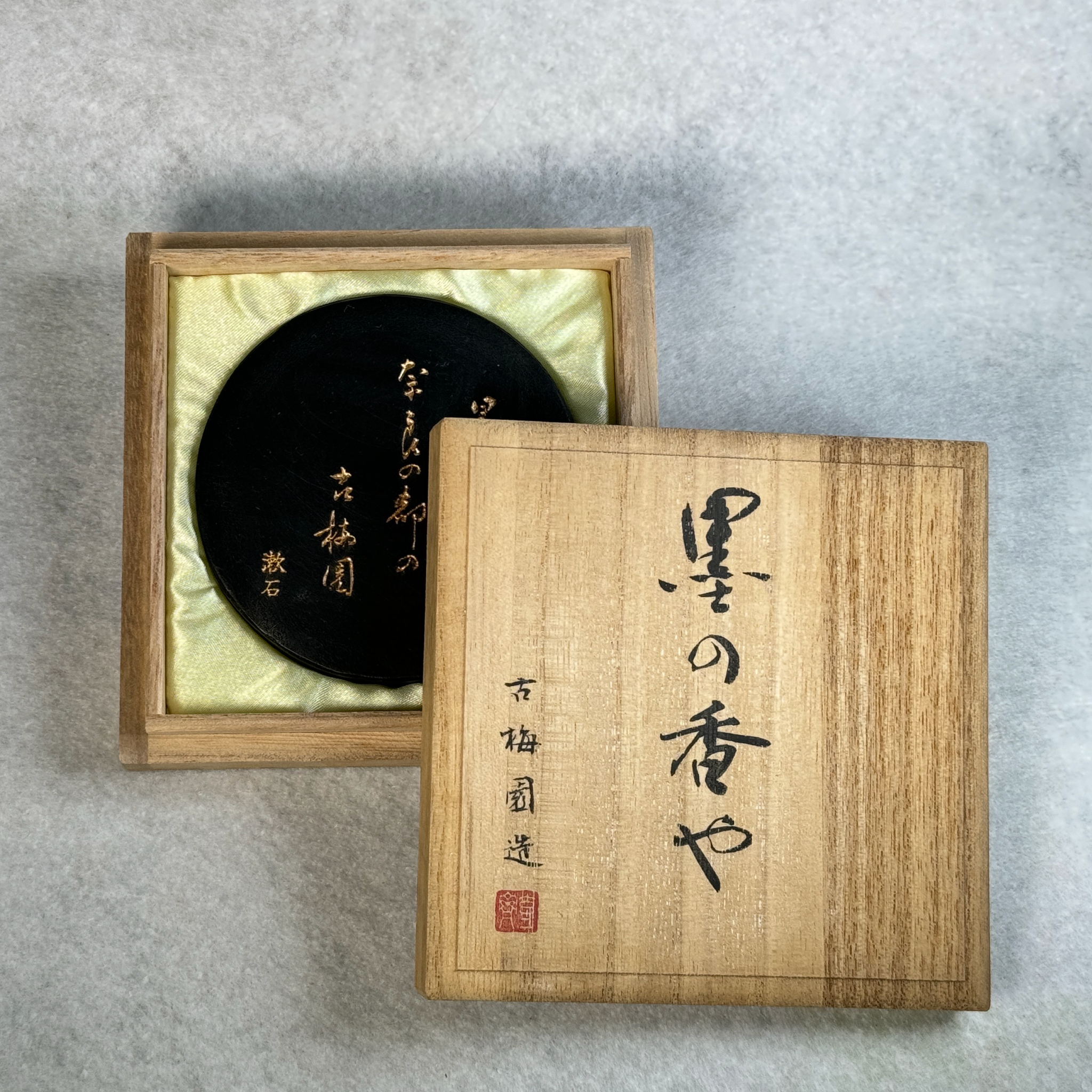
Sumi no Kaya takes its name from the opening words of a haiku the novelist Natsum Soseki wrote about Kobaien, evoking the scent of sumi ink and the ancient capital of Nara — a haiku he once sent to his friend, the poet Masaoka Shiki.
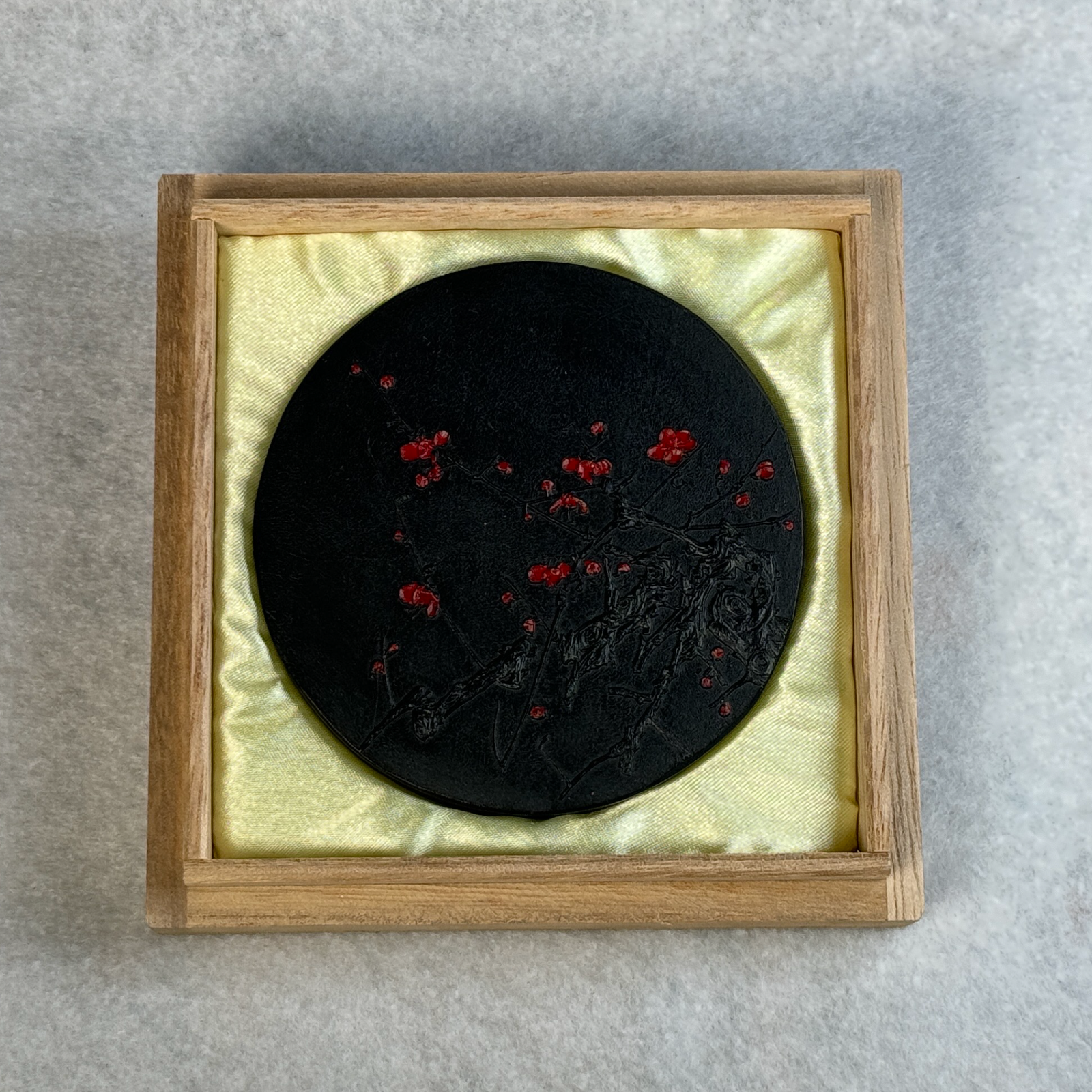
That verse is inscribed across the face of this inkstick, with Kobaien's plum blossom motif on the reverse, so the stick carries a piece of literary history into your studio each time you pick it up.
Made from the smoke of the finest canola oil with ultra-fine particles, it's built for exactly this kind of prestige piece: lines stretch smoothly across the page and blossom into blooms of real beauty when the ink is worked into a wash.
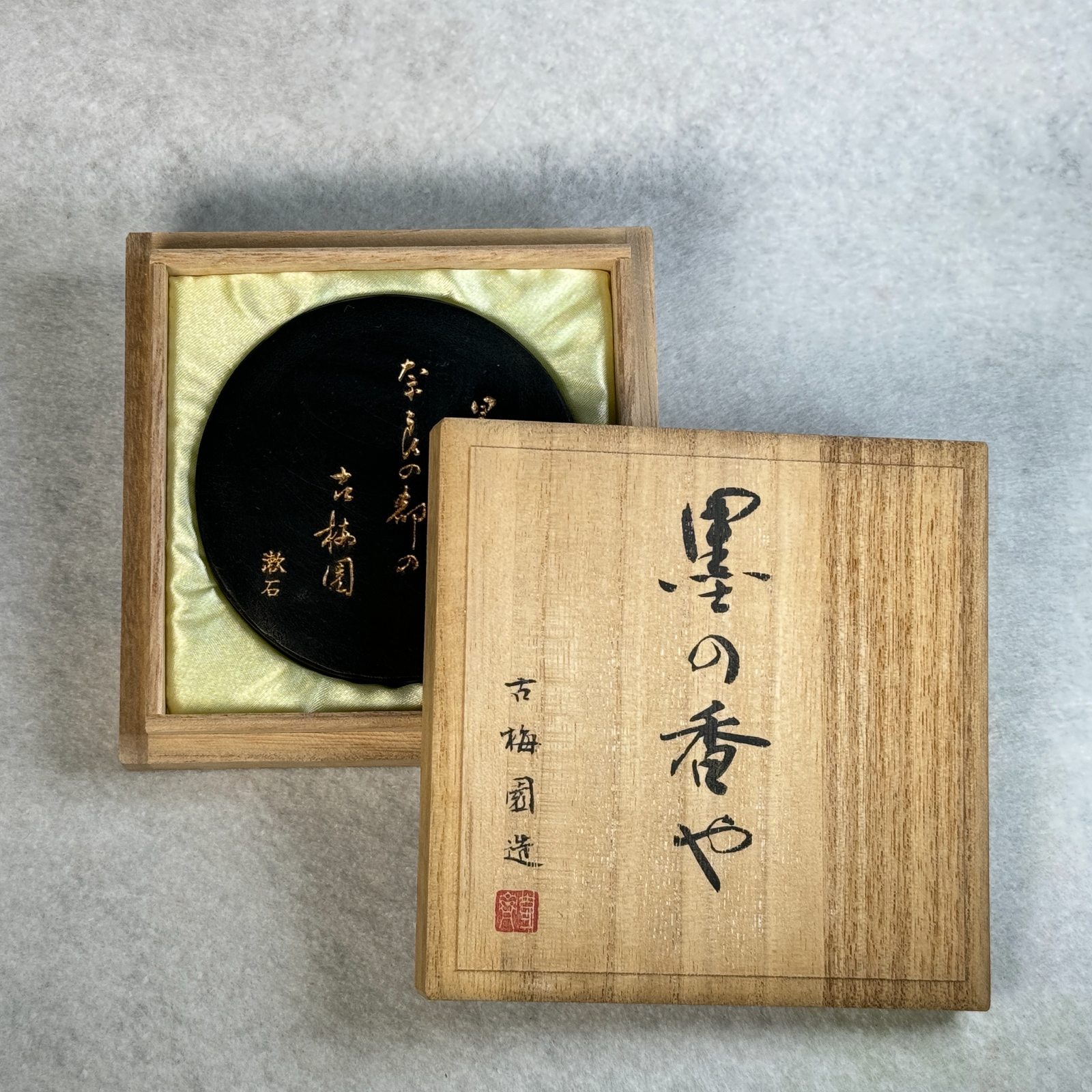
At 86mm by 86mm and 17mm thick, weighing 90.1 grams on its own, it arrives in a paulownia wood box that brings the total to 155.8 grams — a substantial, gift-worthy object as much as a working ink.
For anyone drawn to the literary and artistic history woven through Japanese ink culture, this is a stick with a story built right into its surface.
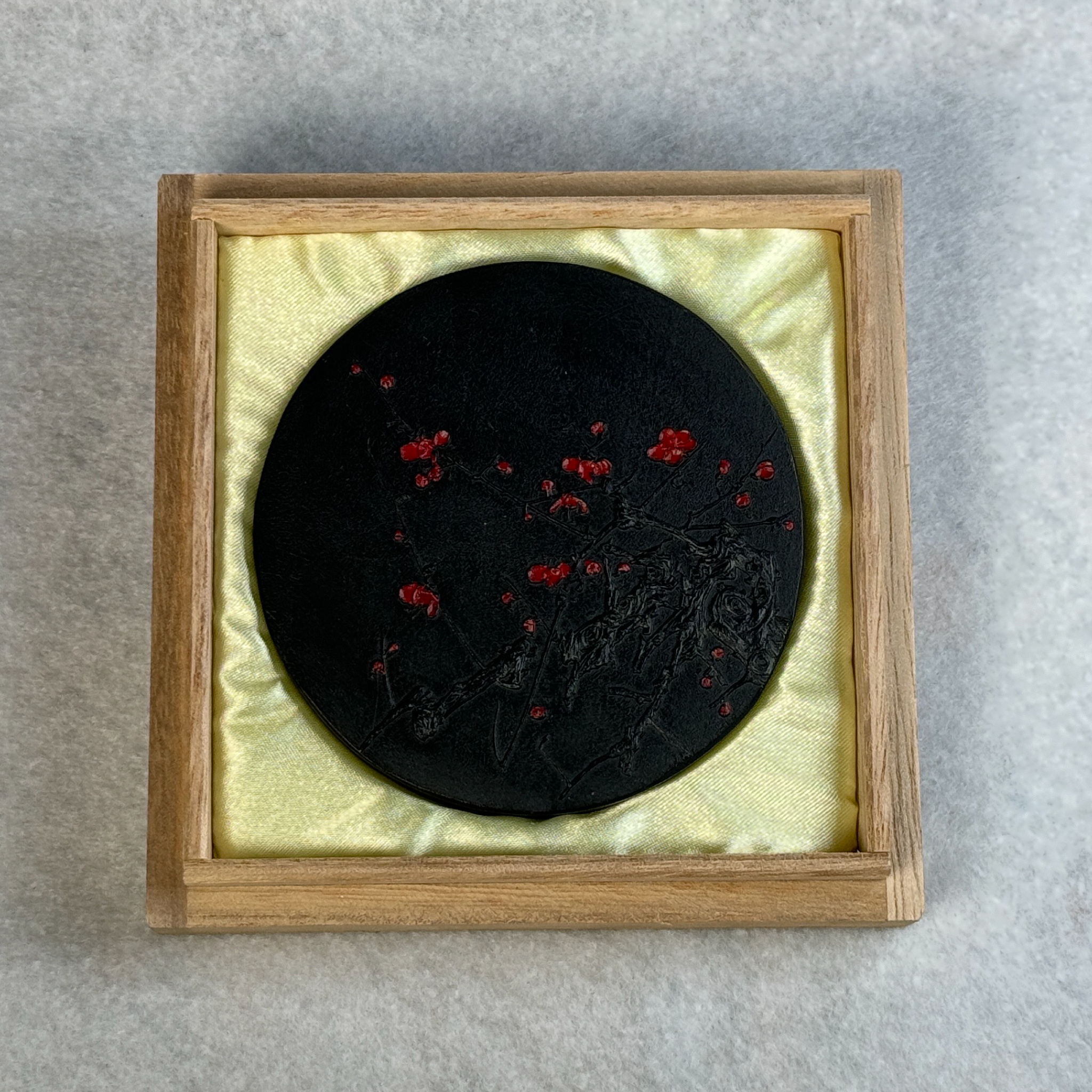
The haiku is shown on the front of this sumi inkstick. On its reverse side is the plum blossoms of Kobaien.
墨の香や
( "Sumi no Ka ya", Oh, I sense the scent of sumi ink.)
奈良の都の
( "Nara no Miyako no", It represents the ancient capital, Nara.)
古梅園
( "Kobaien", That is what Kobaien is all about. )
漱石
( "Soseki", the signature of Natsume Soseki )

The plum tree in Kobaien, Nara, Japan
Width: 86 mm Length: 86 mm Thickness: 17 mm Weight:90.1 grams ( inkstick only ), 155.8 grams ( inclucing paulownia wood box )
墨の ( Sumi no : Of Sumi ink )
香や ( Ka ya: Oh it's the scent )
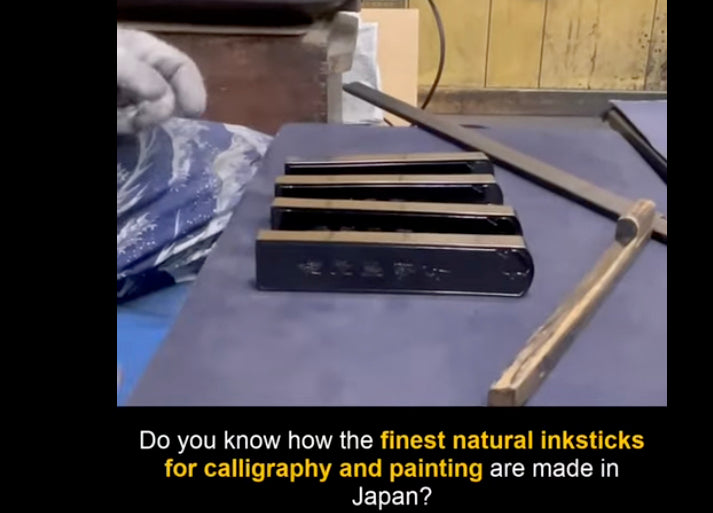

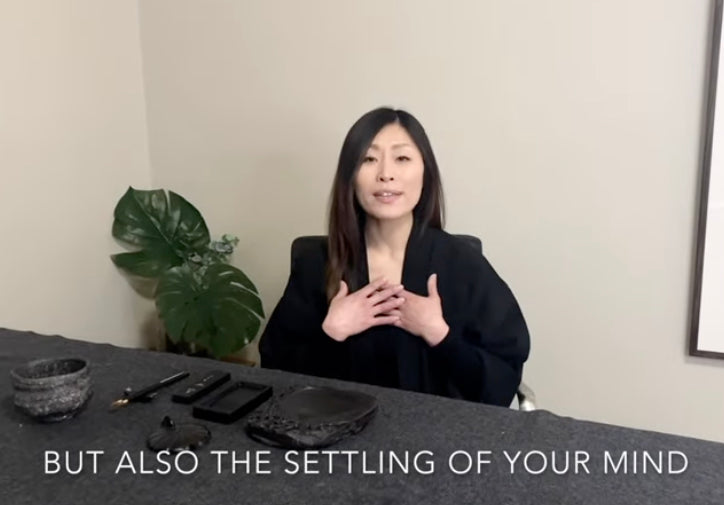

Ms. Junko Azukawa, a contemporary calligrapher and ink painter in Australia, explains how to use stickinks.


!