


Cuesta algo más diluirla. Magnífico color y texturas
Calidad extraordinaria. Muy recomendable. Gracias
Estoy encantado con esta tinta, maravilloso. Gracias
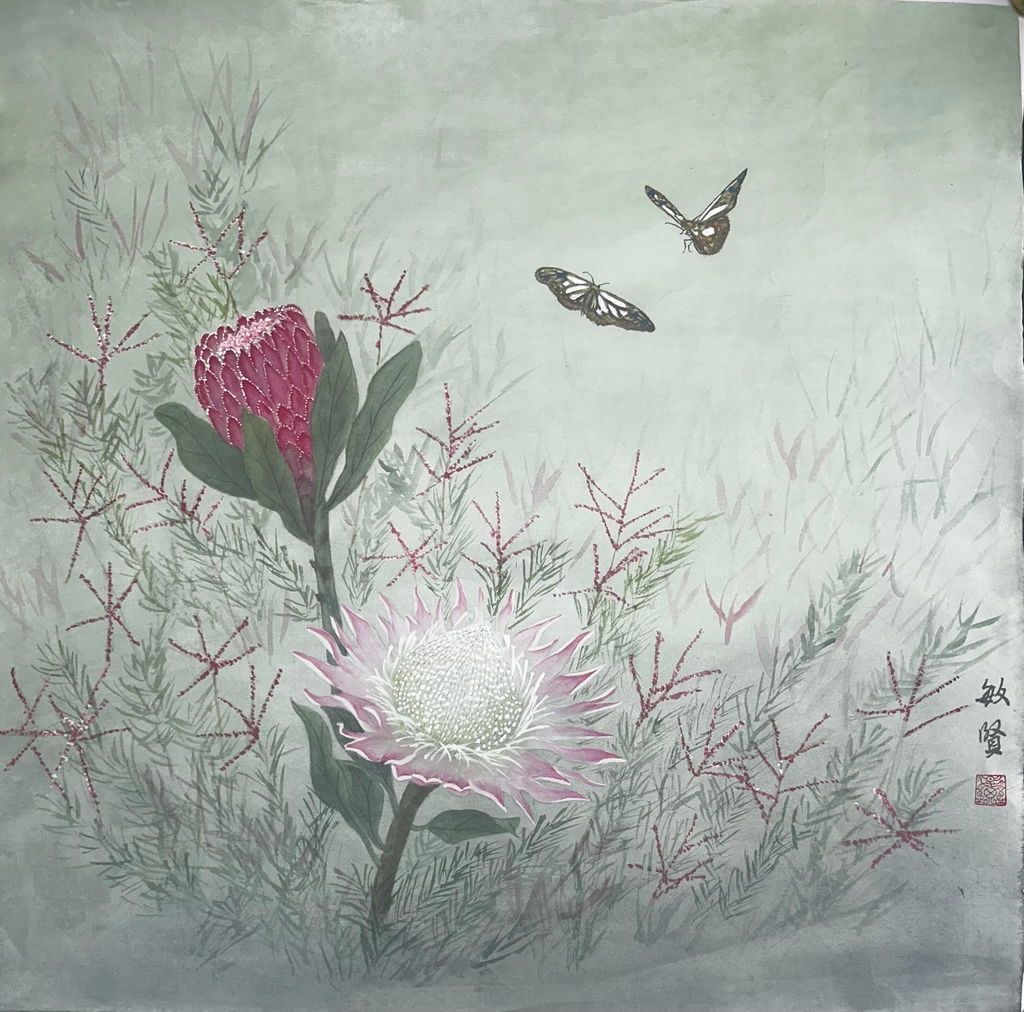
The paper is good for drawing colourful flower, which can show the petal lively
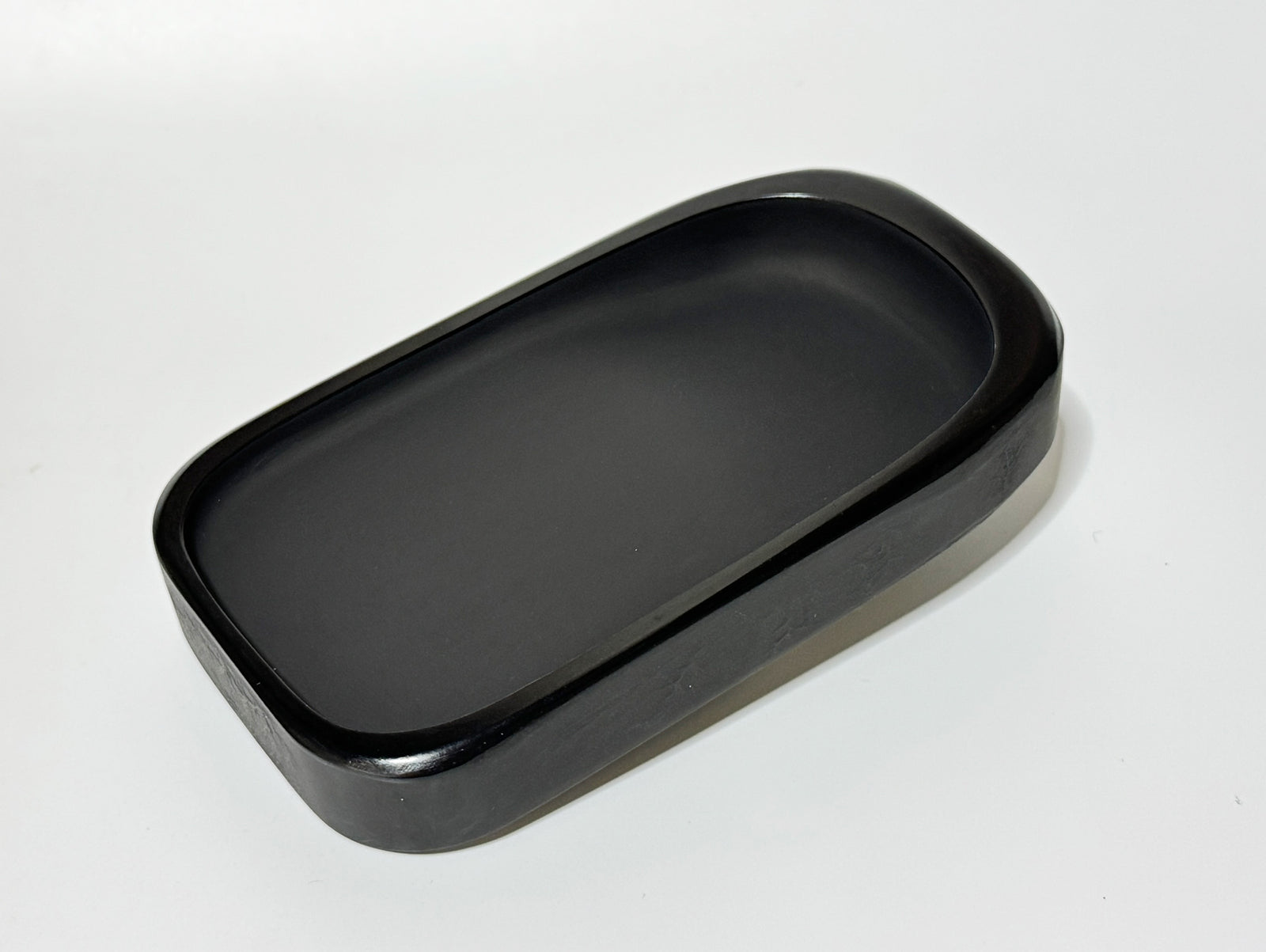
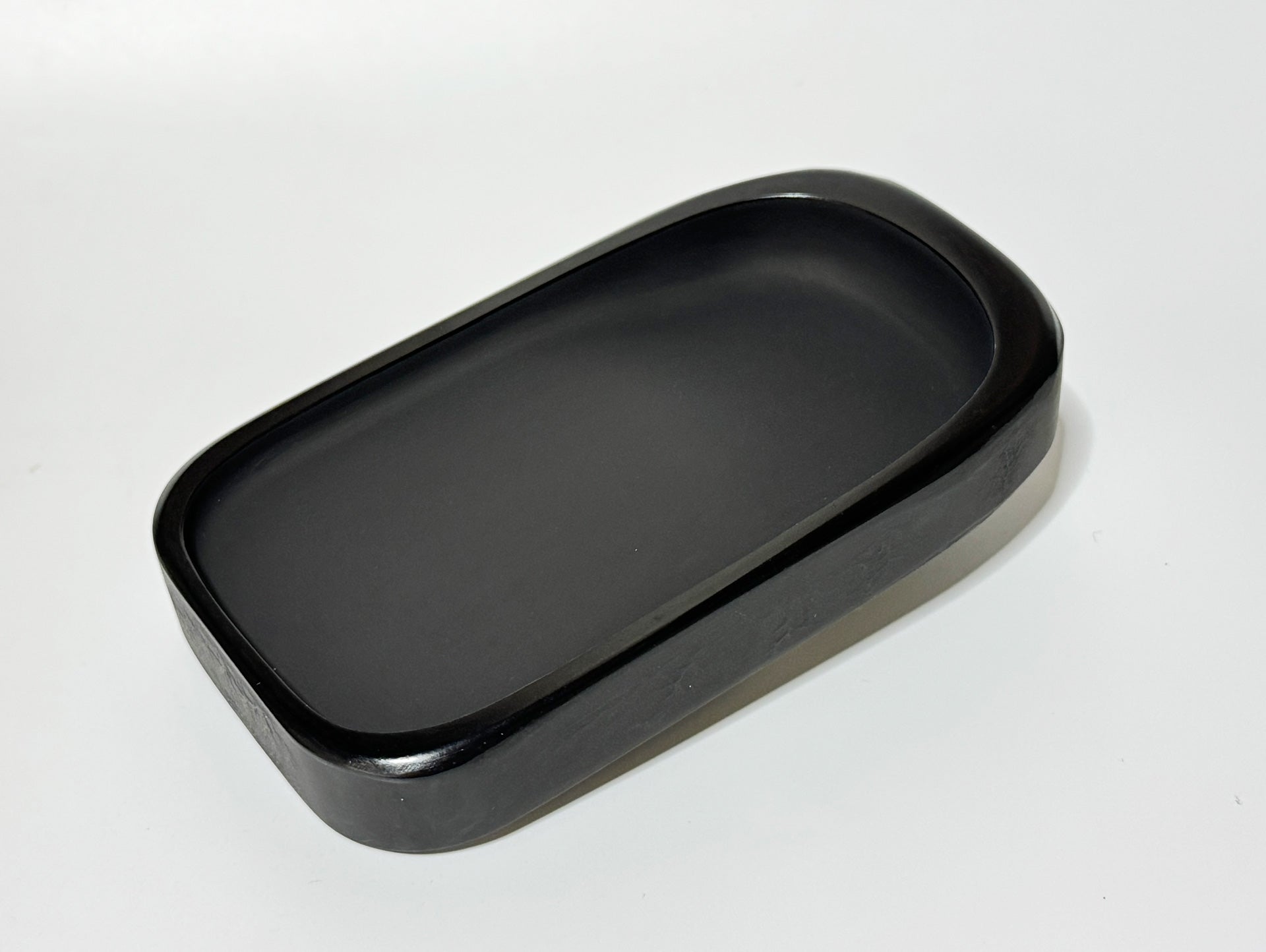
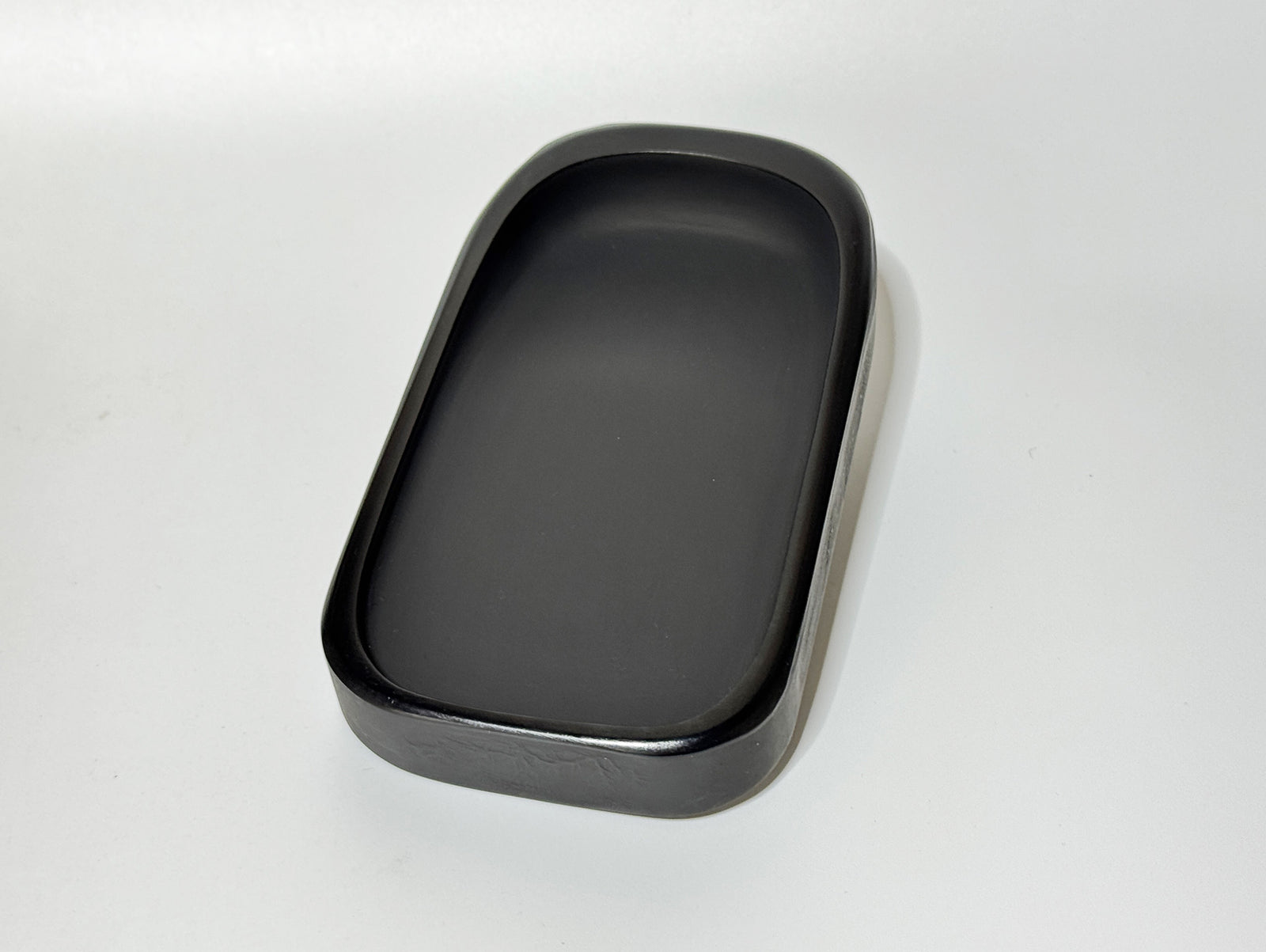
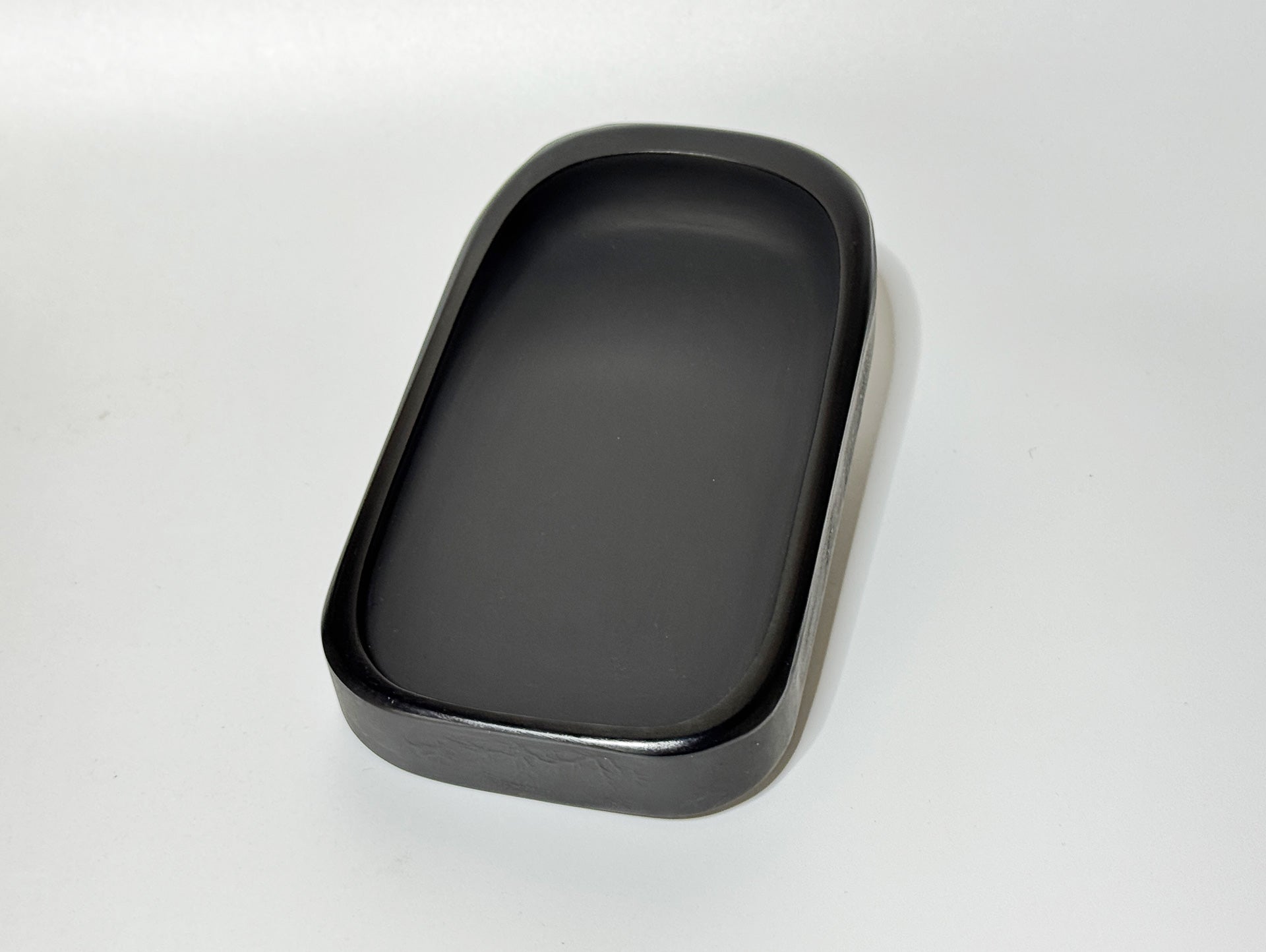
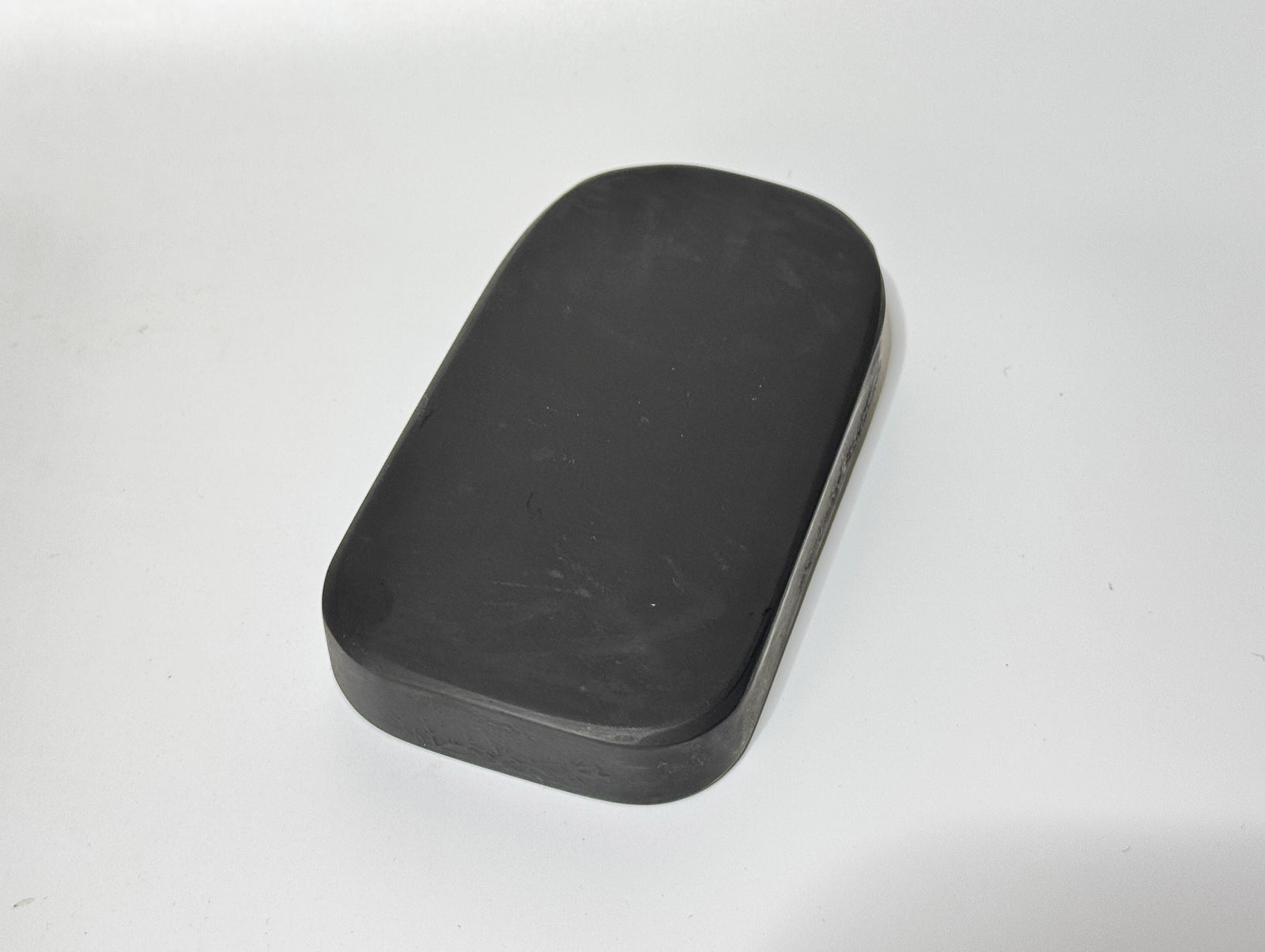
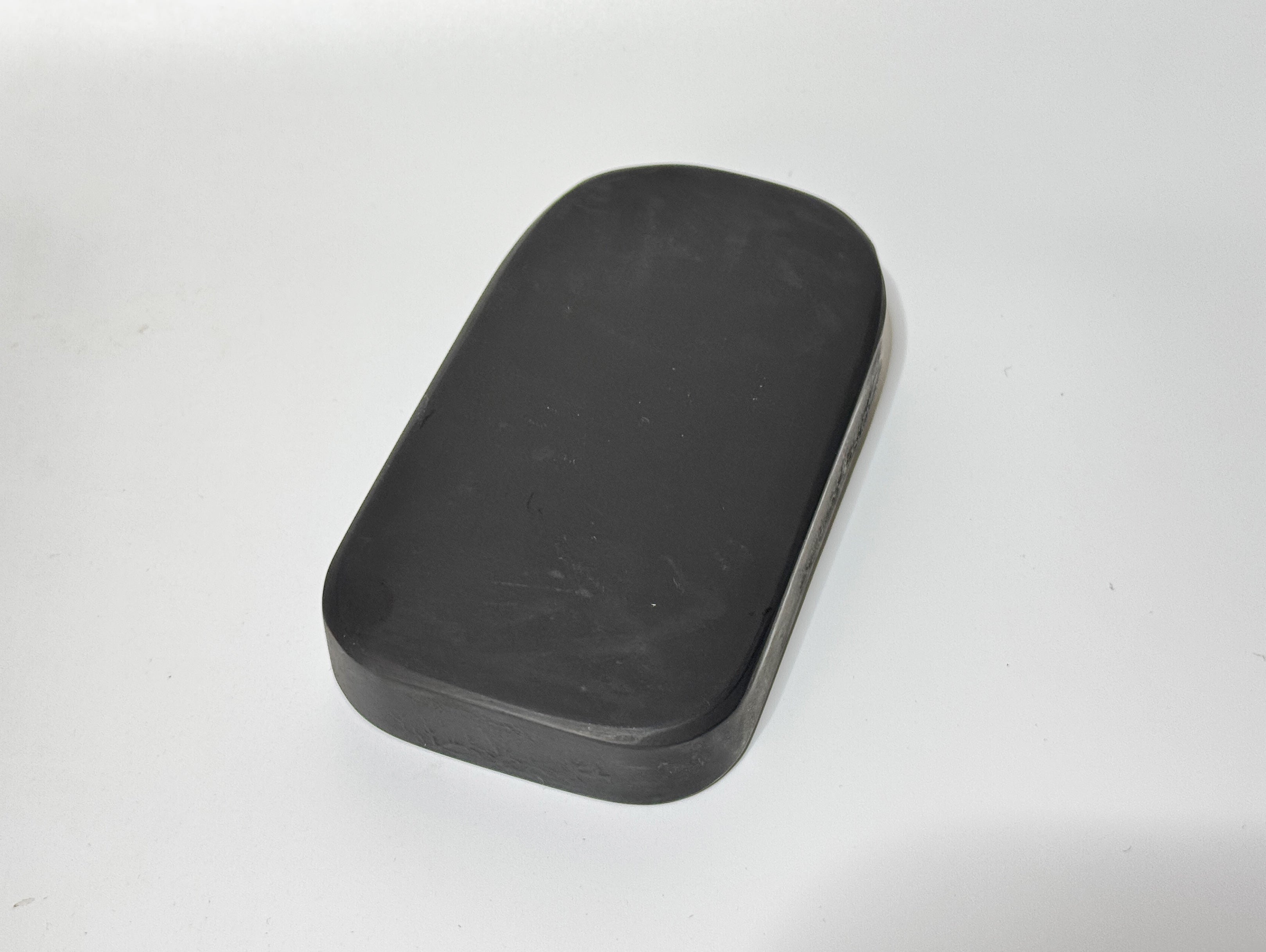
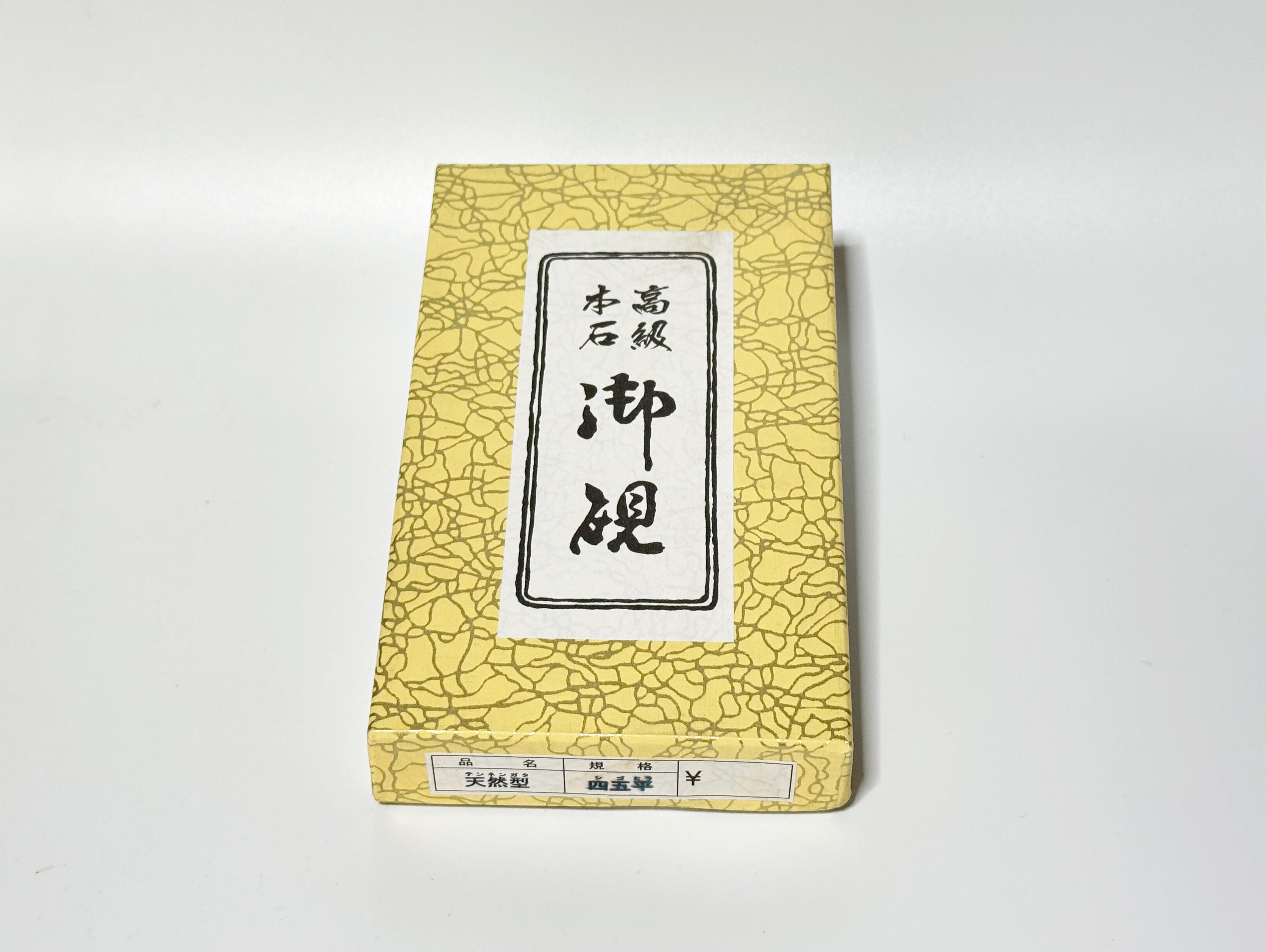
The size is about 135 millimetre in length, 75 millimetre in width, and the thickness is 20 millimetre.
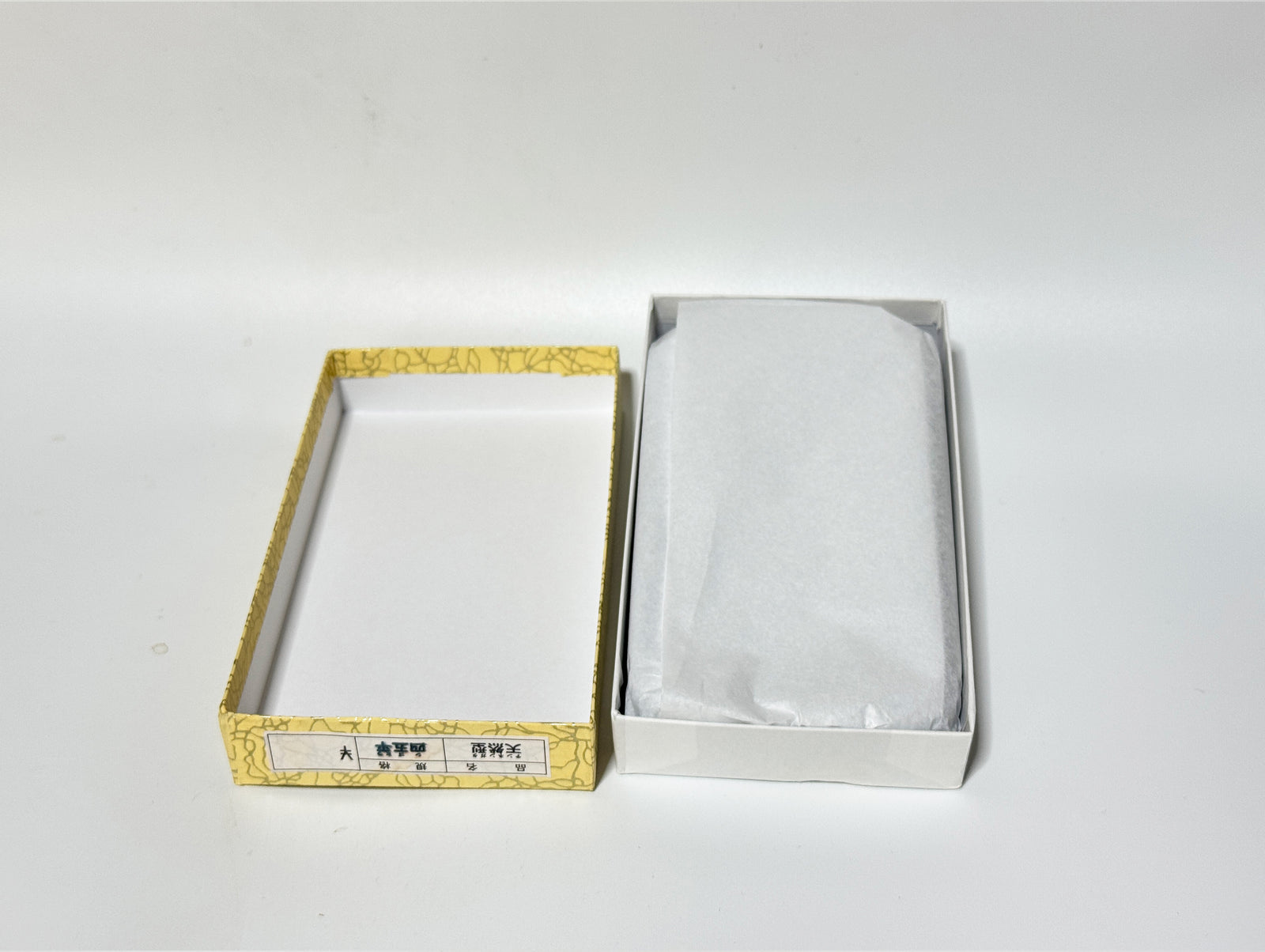
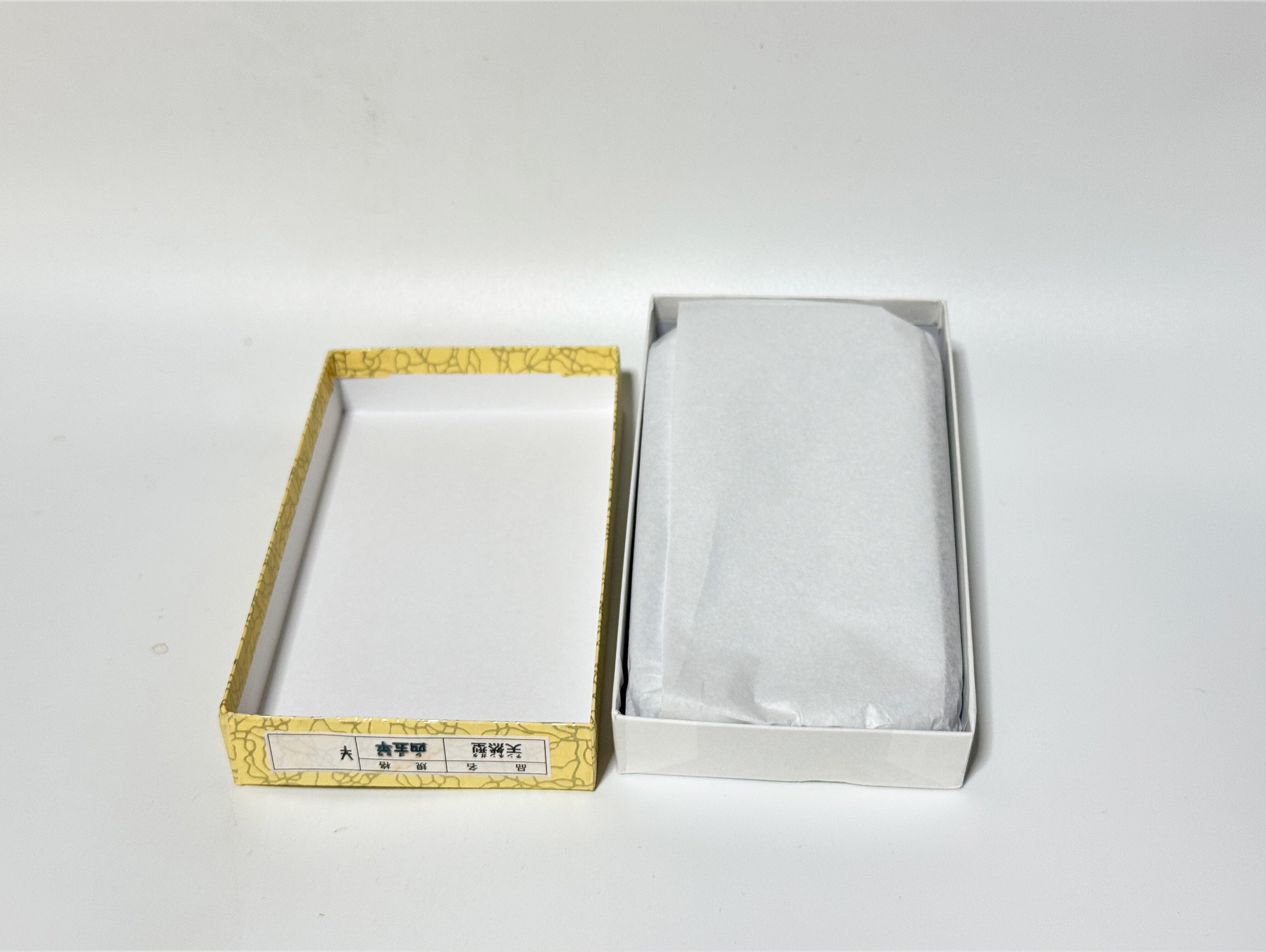
Weight is about 395 grams without wrapping box..
From Ogatsu, Miyagi Prefecture, Japan
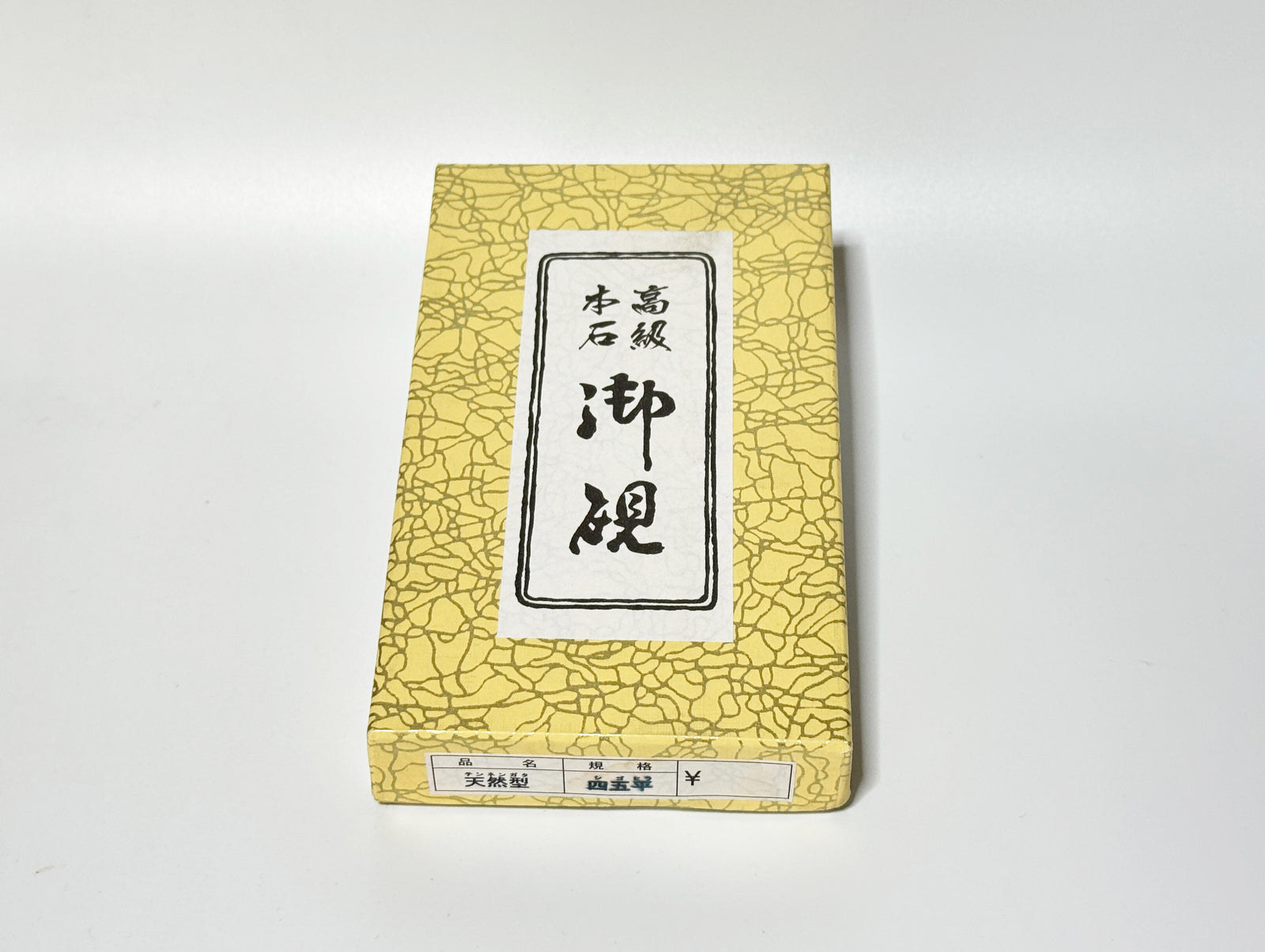
"Koukyu Honseki Inkstone" means, plainly, a high-grade inkstone of real stone — and this one carries six centuries behind that plainness.
It comes not from Kobaien's own workshop, but from Ogatsu, a town in Miyagi Prefecture that has cut inkstones from its slate since the Muromachi period, some 600 years ago.

A document from between 1615 and 1624 records two Ogatsu suzuri presented to Masamune Date, lord of the region — he was, it says, very pleased, and rewarded the craftsmen well.
By the 1760s the town was already known for its refined stonework, and in 1985 Ogatsu suzuri was named a National Traditional Craft of Japan. It is still cut by hand, in essentially the same way, today.
This particular stone, selected by Kobaien for its own customers, is small and beautifully rounded, soft and comfortable under the hand, with a surface that resists wearing down even after years of grinding.
One painter called the grinding "very natural, without effort," the grain of the stone drawing out a dark tone quickly; another praised the generous well, which keeps the ink from spilling and lets a brush be rinsed clean inside it. A
small, quiet object, in a lineage most people never think to ask about.

** To ensure safe transportation, an additional weight of 290gram will be added to the shopping cart for the special shipping box.
This inkstone ( Suzuri, 硯 ) is made from natural stone, which is that the surface is less likely to wear away. It is ideal for calligraphy and painting.


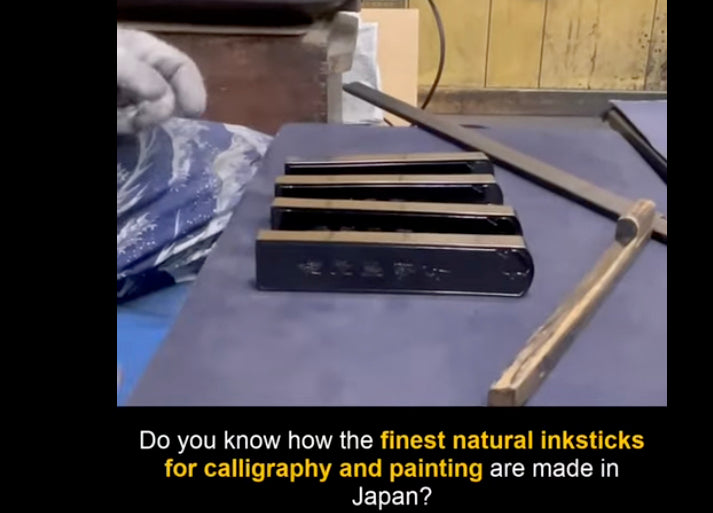

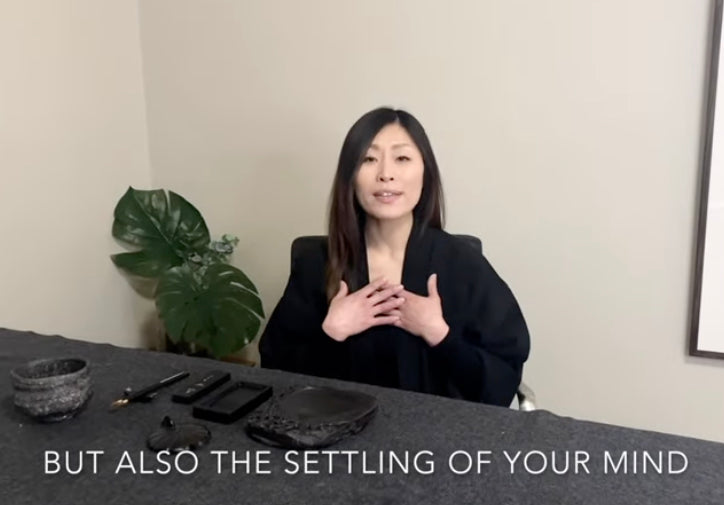

Ms. Junko Azukawa, a contemporary calligrapher and ink painter in Australia, explains how to use stickinks.


!