
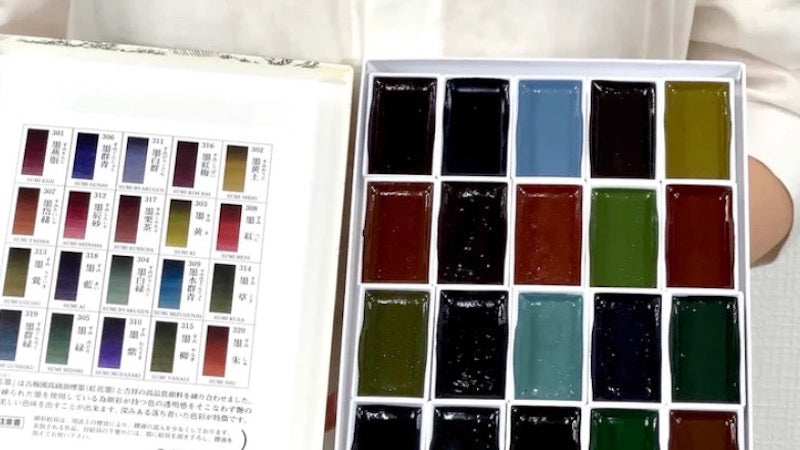
Cuesta algo más diluirla. Magnífico color y texturas
Calidad extraordinaria. Muy recomendable. Gracias
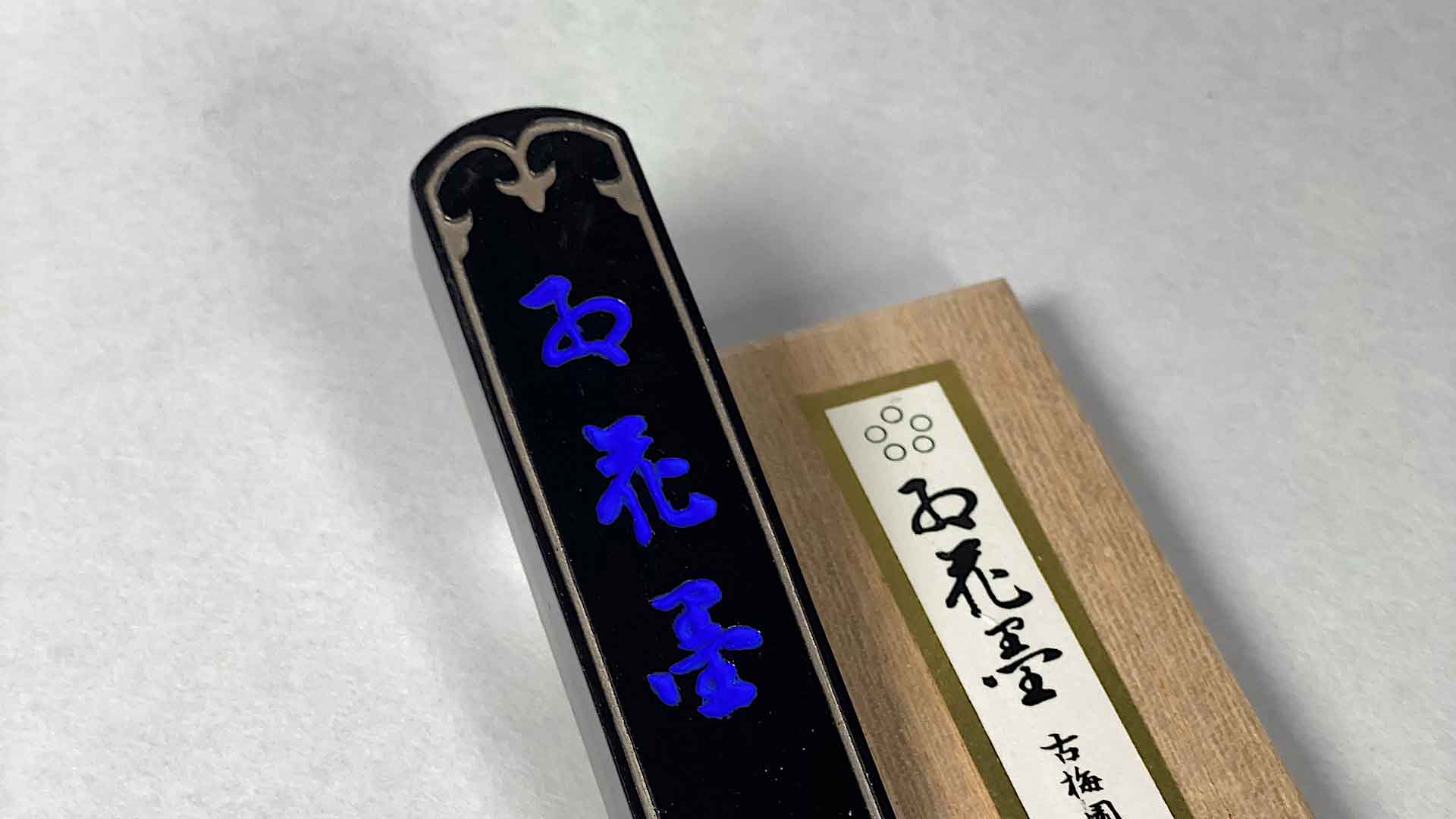
Estoy encantado con esta tinta, maravilloso. Gracias
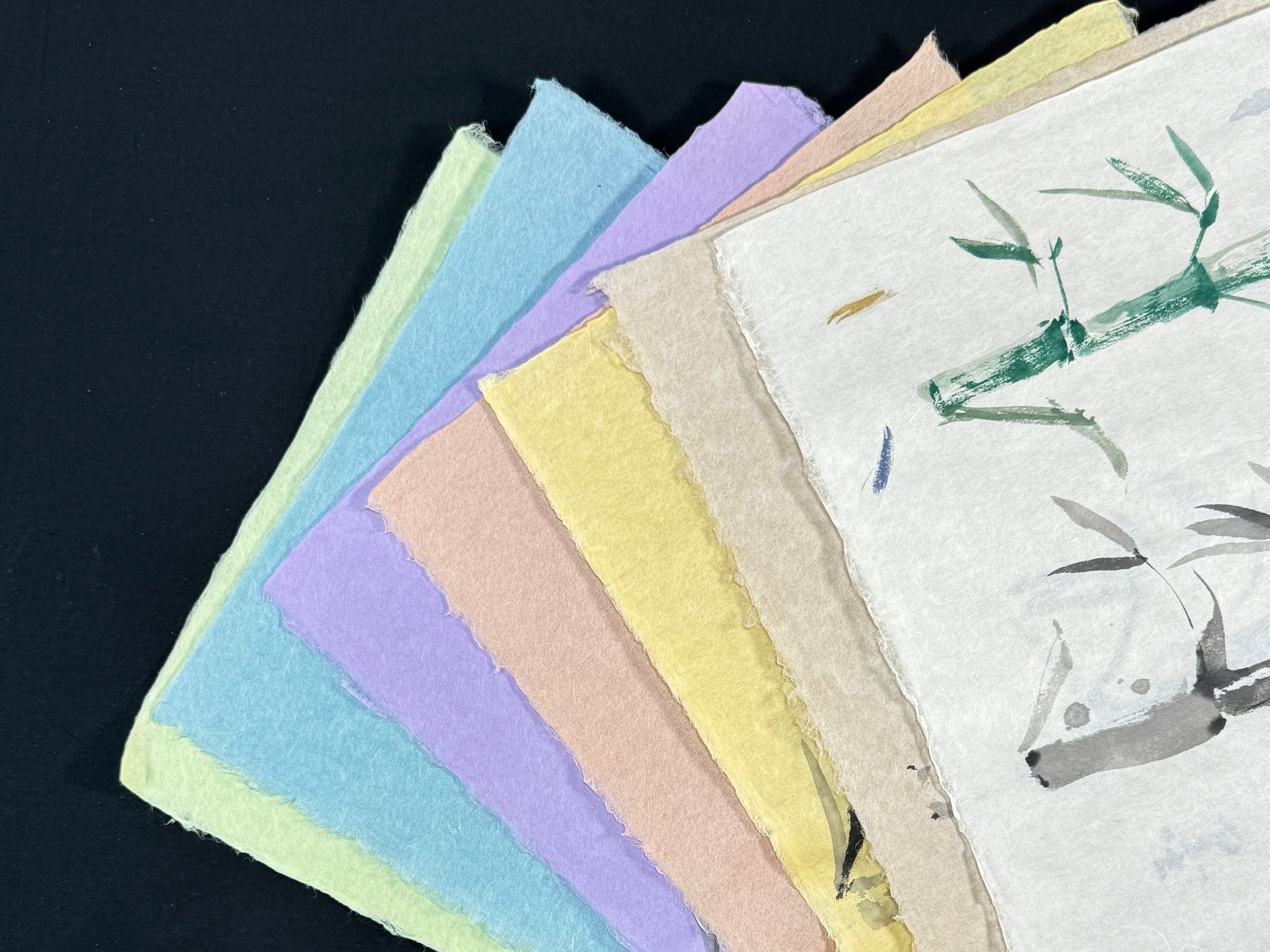
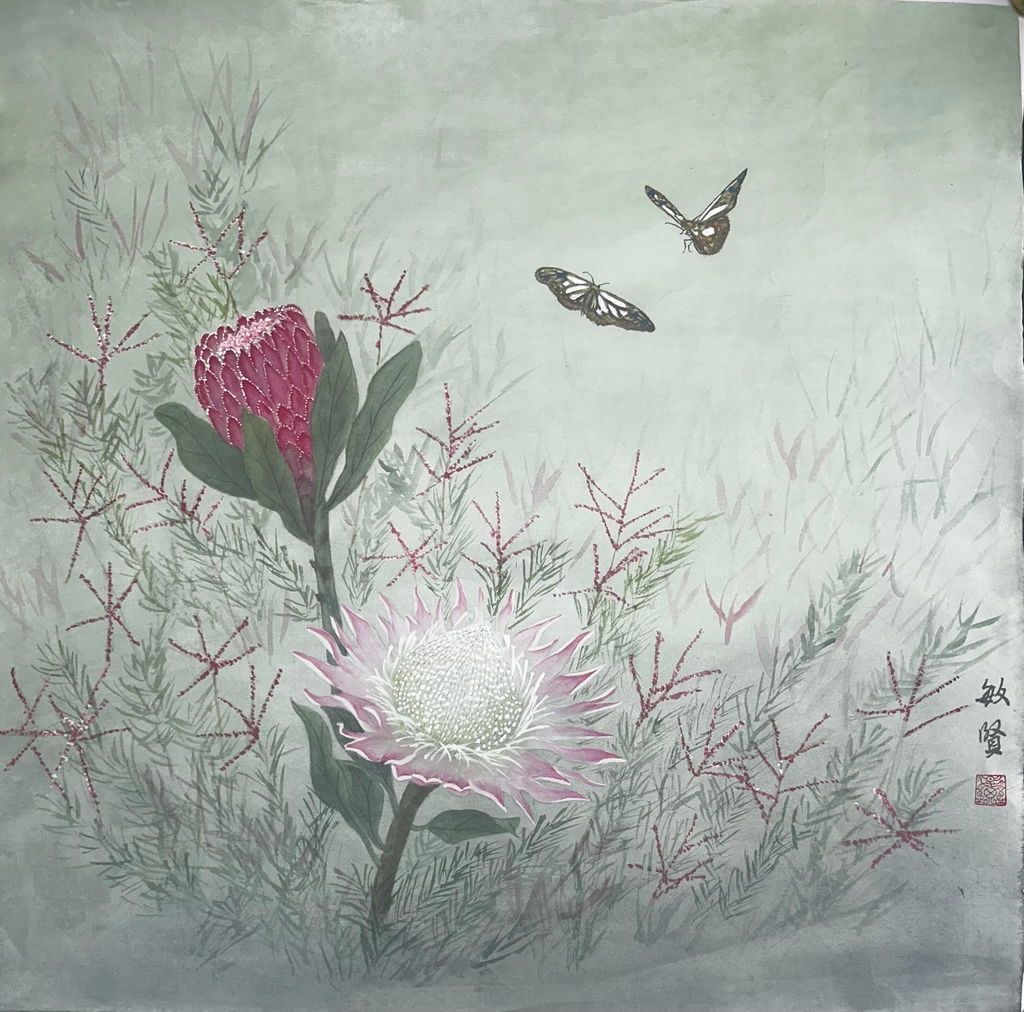
The paper is good for drawing colourful flower, which can show the petal lively
Nikawa — the animal glue that binds the soot into a solid stick — is traditionally made from cow or deer hide, though rarer versions use donkey, goat, or boar glue, each requiring its own handling from the artisan and producing an ink with a distinctive elasticity and glide.
Donkey glue (akyou) is considered especially prized; it's the type of nikawa used in some of the most expensive inksticks still made in Japan.
As a general rule, inksticks with less nikawa tend to produce a lighter ink that flows more smoothly and gives crisper lines, while richer glue content gives more body and depth to the black.
Rather than one glue being objectively superior, the differences come down to how the ink behaves under your brush and the effect you're aiming for.


!