


Cuesta algo más diluirla. Magnífico color y texturas
Calidad extraordinaria. Muy recomendable. Gracias
Estoy encantado con esta tinta, maravilloso. Gracias
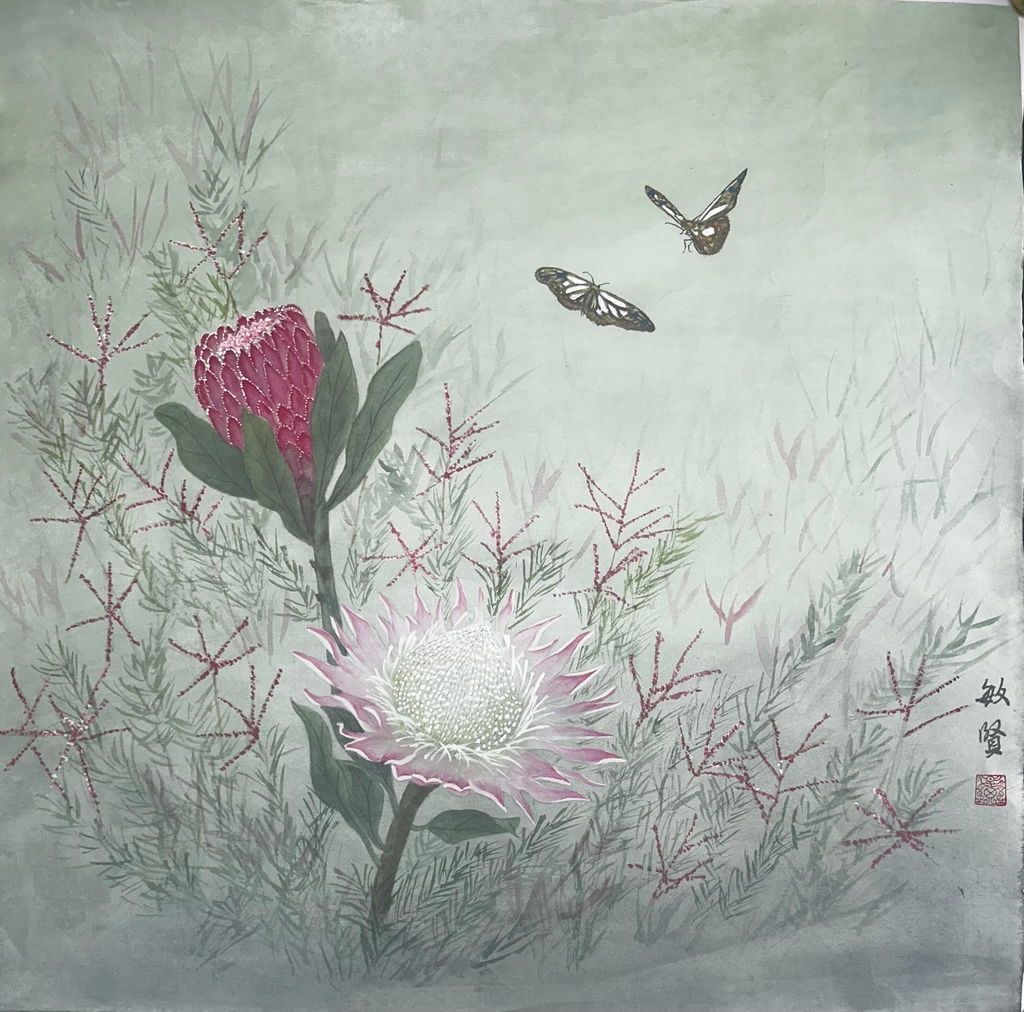
The paper is good for drawing colourful flower, which can show the petal lively
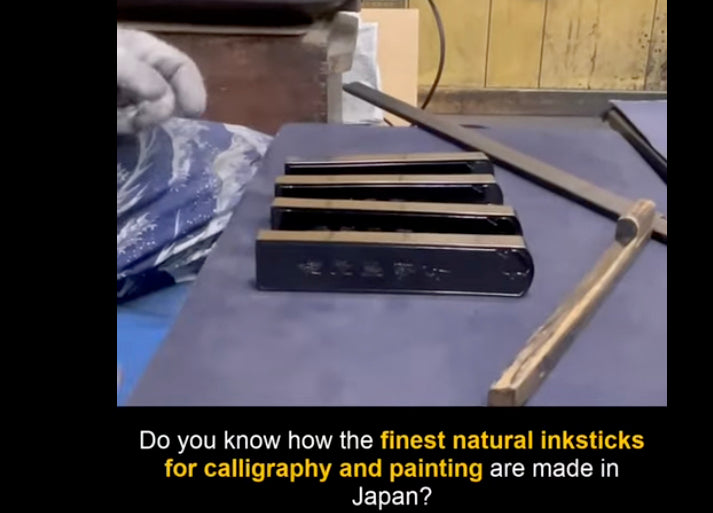
Sansuiboku — 山 (san, mountain) 水 (sui, water) 墨 (boku, ink) — belongs to Shitsuboku, the grade held to be the finest of all Kobaien inksticks, made from the smoke of the finest canola oil with ultra-fine particles.
Pushed dark, it turns a deep, glossy black; thinned, a warm brownish black, suited to sutra copying, calligraphy, and ink painting alike.
Its surface carries a single plum blossom, the enduring symbol of Kobaien itself, and it's often reached for as a substitute for Baika boku when that stick is unavailable.
The name draws on Sansuiga, the Japanese landscape tradition where "mountains and water" mean far more than scenery.
Unlike Western landscape painting's pursuit of realistic depiction, Sansui reflects the artist's inner, spiritual world — rooted in Zen Buddhism and Taoist philosophy, where mountains embody stability and water the ceaseless flow of life.
Central to the genre is Gayu, "journeying while lying down": the idea that simply looking at a Sansui painting lets the mind wander through nature from the comfort of home.
Muromachi-period masters like Sesshu Toyo perfected this in monochrome ink, using empty space to suggest mist and spiritual void — the same restraint that later shaped karesansui, the dry rock gardens where stone and raked gravel stand in for mountains and water.
One customer, delighted with the ink, called it simply marvellous.
SIZE: 1.5 ( Width: 24 mm Length: 91.5 mm Thickness: 8.7 mm Weight:24.7 grams ( inkstick only ), 33 grams ( inclucing paulownia wood box )


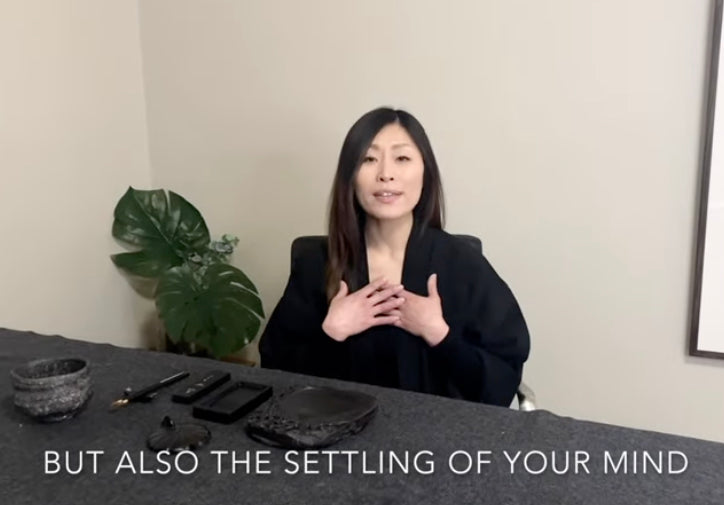

Ms. Junko Azukawa, a contemporary calligrapher and ink painter in Australia, explains how to use stickinks.


!