
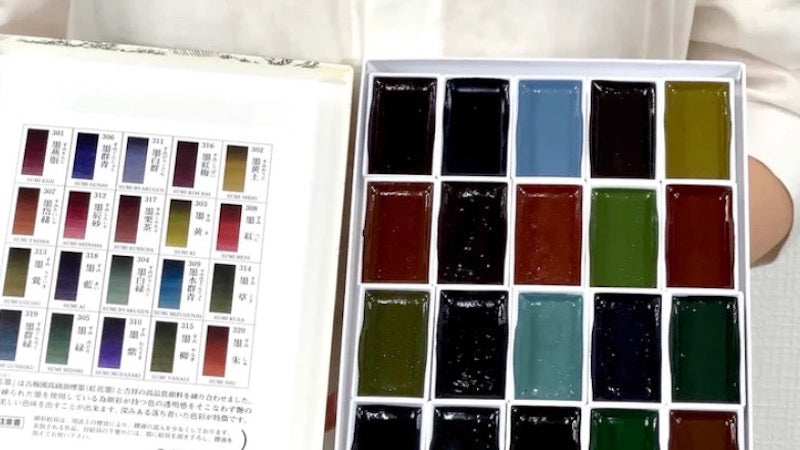
Cuesta algo más diluirla. Magnífico color y texturas
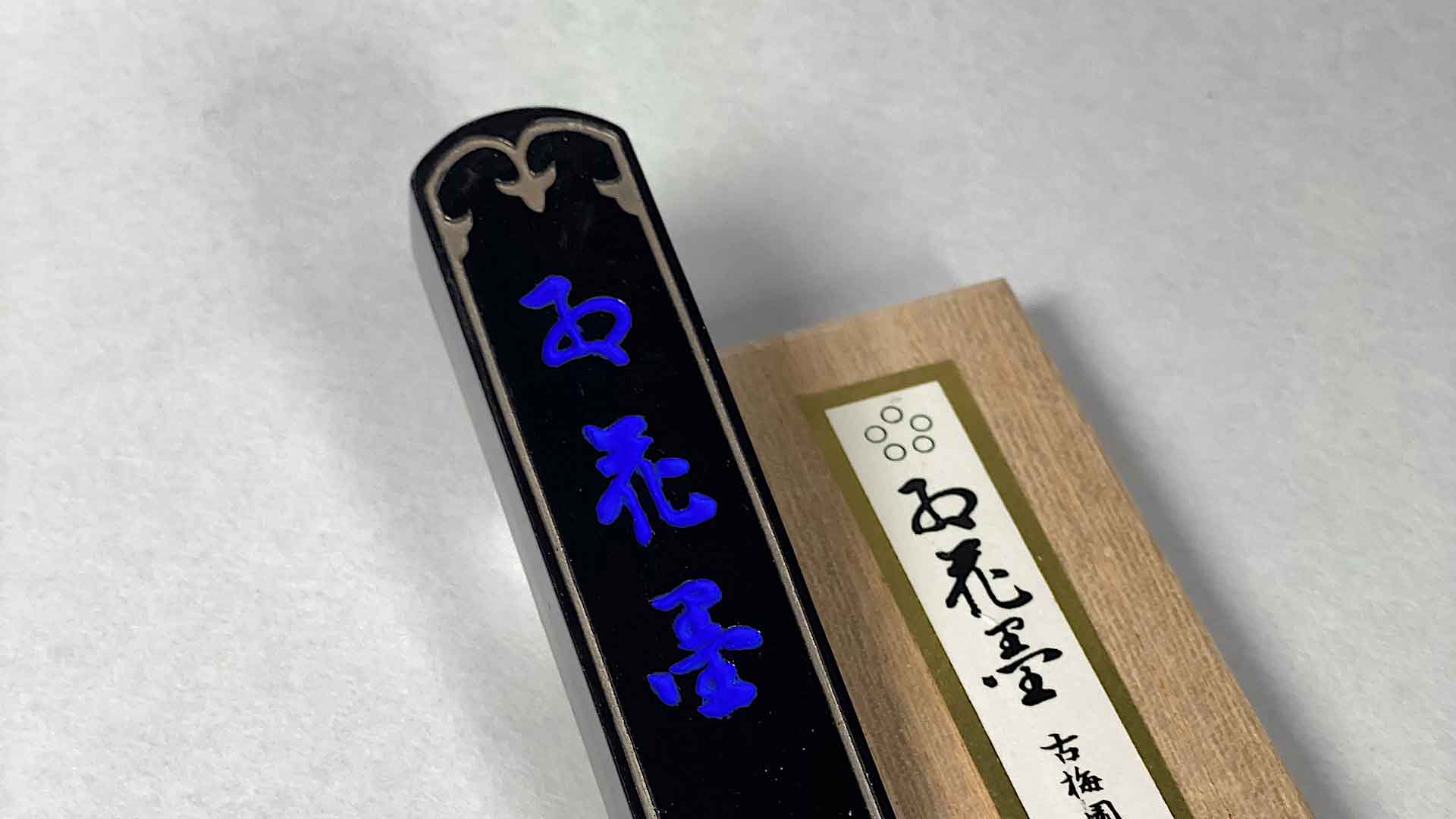
Calidad extraordinaria. Muy recomendable. Gracias
Estoy encantado con esta tinta, maravilloso. Gracias
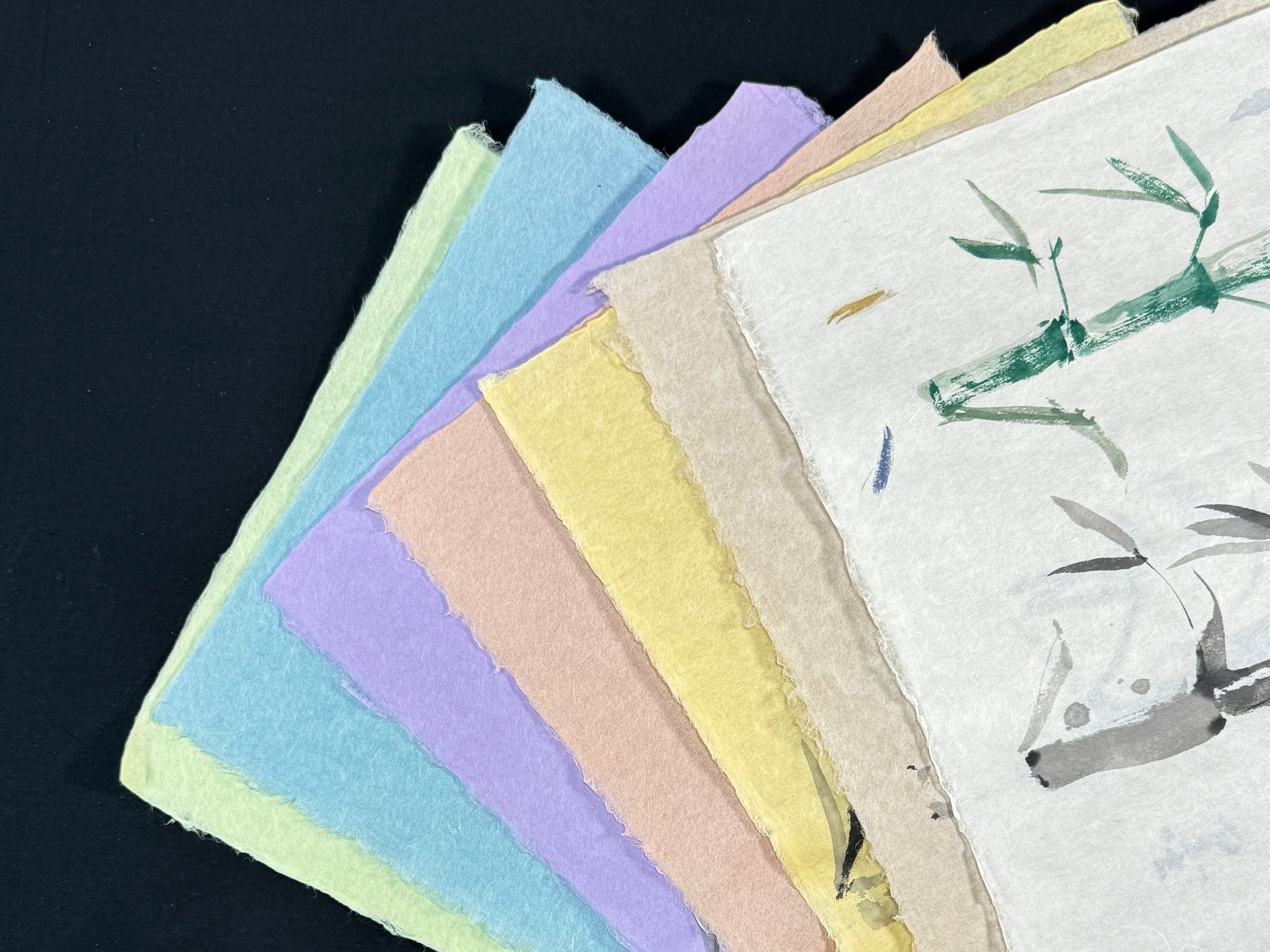
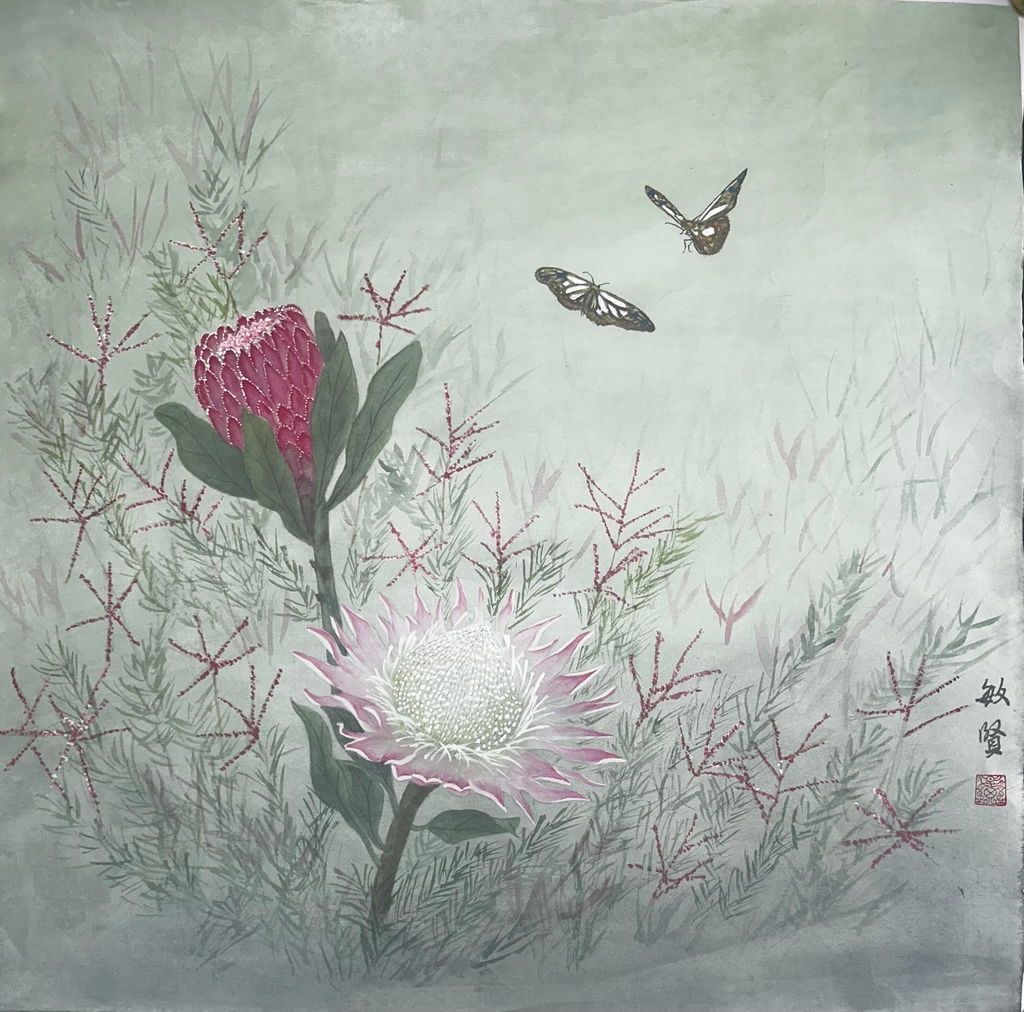
The paper is good for drawing colourful flower, which can show the petal lively
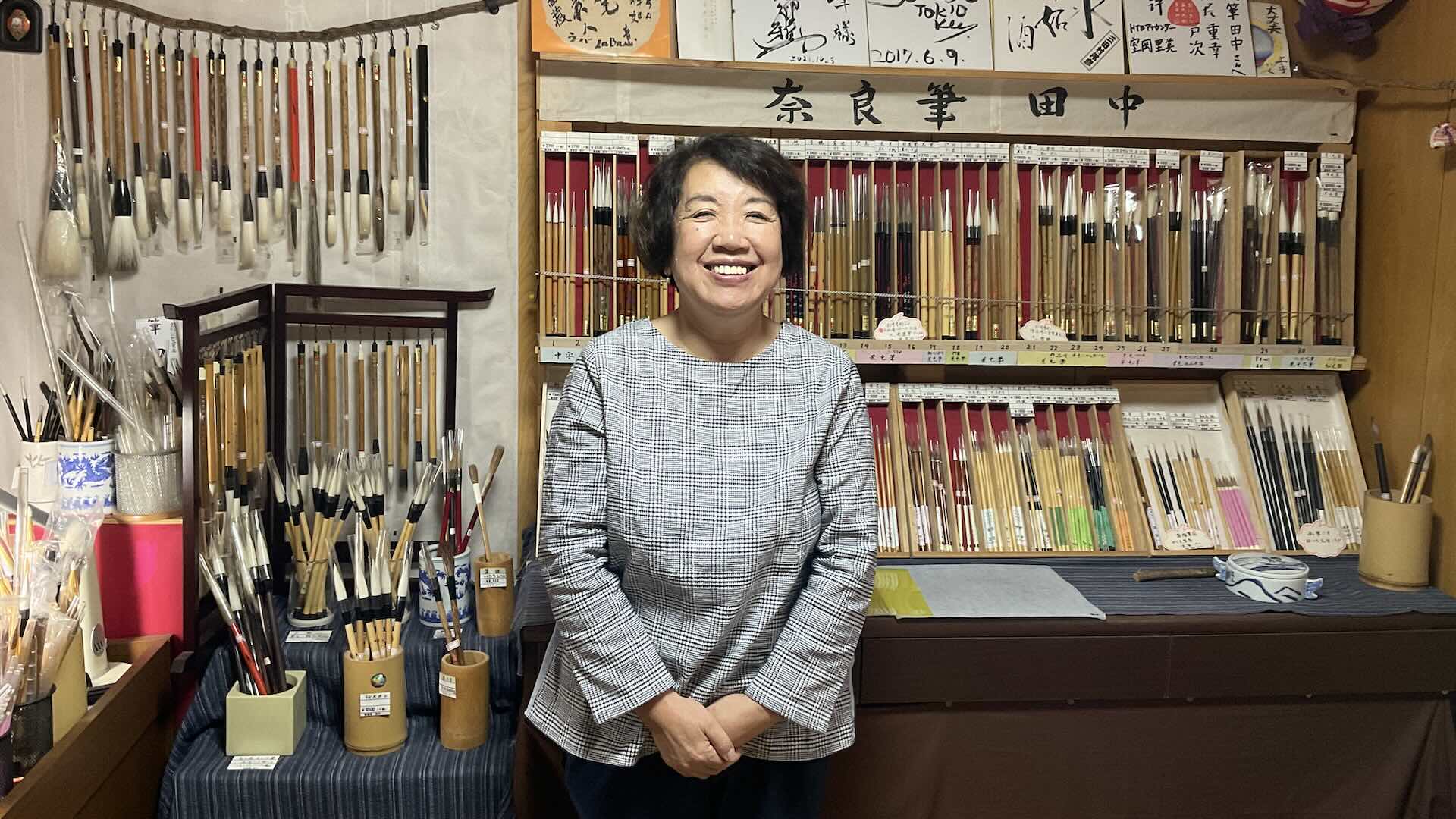
Japanese brushes are traditionally labeled with kanji rather than simple size numbers. 号 (gō) indicates a size number, usually preceded by a numeral (e.g. 3号 = size 3).
大 (dai) means extra-large; 太 (futo) means thick, suited to 2–6 characters per sheet; 中 (chū) means medium, suited to 6–12 characters; 細 (hoso) means fine, for detailed work and signatures; and 小 (shō) means small, for copying sutras or kana.
These labels can be inconsistent between makers, so if you're unsure which size fits your project, feel free to ask us directly.


!